
The Complete Home Workout Guide (No Equipment Needed)
Build real muscle at home with bodyweight and minimal equipment. A complete 12-week program you can run from your living room.
Can You Build Muscle at Home?
Yes, but with qualifiers. Bodyweight training can take an average man to roughly 85% of what a gym would — and get him there slower. If you are a beginner, home training works for 12-18 months. After that, you will want weights.
For everyone else who just wants to look good, feel strong, and not spend money on a gym commute, home works.
The Minimum Equipment
You need three things:
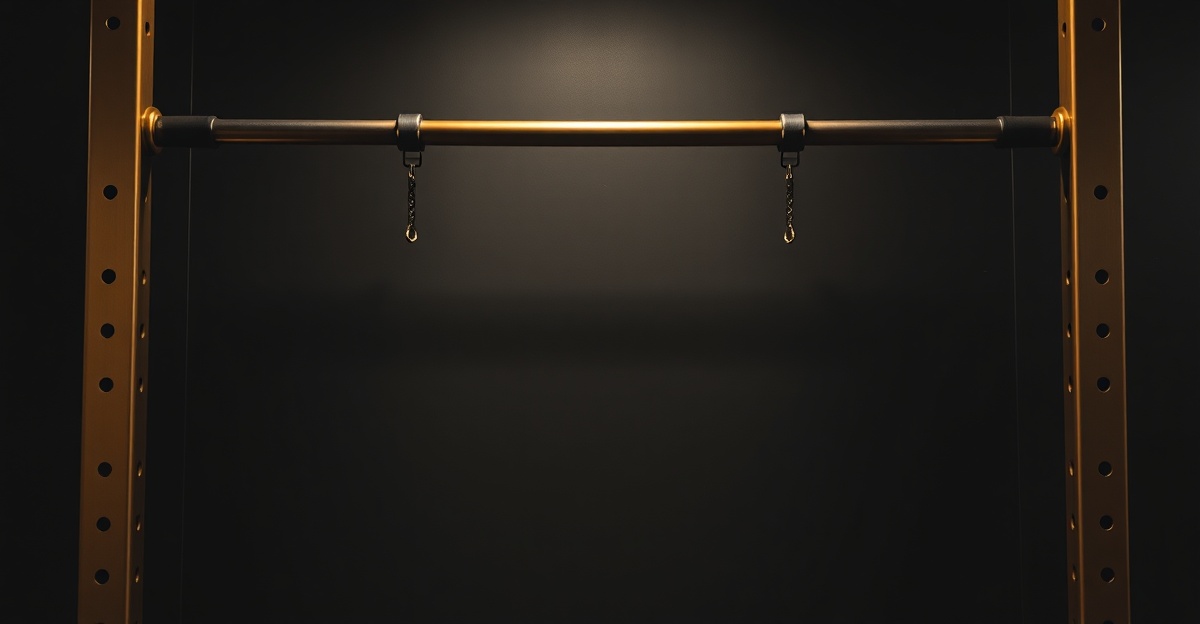
- A pull-up bar ($30 doorway model)
- Two adjustable dumbbells ($200-400)
- A yoga mat ($20)
Total: $250-450. One time.
If you are cheap, skip the dumbbells and use filled water jugs or a backpack loaded with books. It works. It is dumb. But it works for the first six months.
The Program
Three days per week, alternating A and B.
Day A — Push and Squat
- Push-ups: 4 sets, max reps
- Goblet squats (dumbbell or backpack): 4 sets of 10-15
- Pike push-ups or handstand push-ups: 3 sets, max
- Reverse lunges: 3 sets of 10 each leg
- Dumbbell bench press (floor version): 3 sets of 8-12
Day B — Pull and Hinge
- Pull-ups or chin-ups: 5 sets, max reps
- Dumbbell Romanian deadlifts: 4 sets of 10
- Single-arm dumbbell rows: 3 sets of 10 each
- Glute bridges: 3 sets of 15
- Bicep curls: 3 sets of 12
How to Progress Without Weights
Progression at home requires creativity. Three methods:
Add reps. If you did 20 push-ups last week, try 22 this week. Simple and it works until you hit around 30 reps per set, then it stops.
Slow the tempo. Take 3 seconds to lower, pause 1 second, explode up. A 20-rep set at that tempo is harder than 40 regular reps.
Harder variations. Push-ups get boring. Diamond push-ups, decline push-ups, archer push-ups, pseudo-planche push-ups — each is harder than the last. Climb that ladder.
What to Expect in 12 Weeks
Weeks 1-4: You learn the movements. Everything is sore. You can barely do 10 push-ups.
Weeks 5-8: The movements feel natural. Your sets triple. You can do 20-25 push-ups. Your first real pull-up might happen here.
Weeks 9-12: You look different. Not huge, but leaner and more defined. Your first clean handstand push-up is close. You can probably do 3-5 pull-ups now.
When to Upgrade
When you can do 20 clean push-ups, 8 pull-ups, and hold a 60-second plank easily, bodyweight training has delivered most of what it can. At that point, either add weight (weighted vest, resistance bands, dumbbells past 40lb) or join a gym.
Some men never need a gym. If you are happy with where your body is at 85%, stop there. The rest is diminishing returns.
Frequently Asked Questions
Can you build muscle with just bodyweight?
Yes, especially for the first 12-18 months. Advanced calisthenics (weighted pull-ups, handstand push-ups, one-arm push-ups) can build significant muscle, but progression is slower than weights.
How long until I see results from home workouts?
4-6 weeks for visible changes if you train consistently 3x per week and eat enough protein. Significant physique changes take 12-16 weeks.
Do I need any equipment for home workouts?
Minimum: a pull-up bar and a pair of dumbbells. Adjustable dumbbells are $200-400 and cover the next 2 years of training.
How many days a week should I do home workouts?
3-4 days per week is the sweet spot. Less than 3 is too little stimulus. More than 4 at home usually means overtraining because you cannot vary intensity as easily.
Can I lose weight with home workouts?
Yes. A 45-minute intense home workout burns 300-500 calories. Combined with proper diet, you can lose 1-2 pounds per week sustainably.
What if I cannot do a single pull-up?
Start with negatives: jump up to the bar and slowly lower yourself down. Do 5 negatives for 3-4 sets. Most men can do their first pull-up within 6-8 weeks this way.
How do I progress without adding weight?
Three ways: add reps, slow the tempo, or use harder variations. Archer push-ups are harder than standard, one-leg squats are harder than two-leg. Always a harder variation exists.
Are home workouts as effective as gym workouts?
For beginners, they are nearly identical. For intermediate-advanced lifters, gym weights outperform home training for pure strength and size.
How much space do I need for a home workout?
A 6x6 foot area is enough for most exercises. A doorway for pull-ups. A sturdy floor. No special room needed.
Should I do cardio at home too?
Walking outside is better than most home cardio. If you are stuck indoors, jump rope is excellent and costs $10. Burpees work but they are miserable.