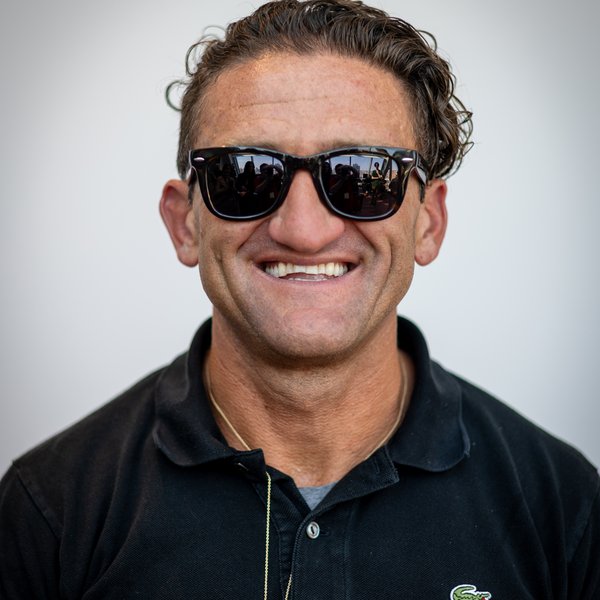
Casey Neistat
Filmmaker, daily vlog pioneer, NYC street culture
@caseyThis profile is journalistic coverage, not an endorsement.
Why He Matters
Casey Neistat invented the modern daily vlog. His 600+ daily videos from 2015-2016 — combining film school technique with intimate storytelling — created a template that thousands of creators have followed since.
He represents the artistic edge of YouTube creation. His videos are short films, not just content.
What to Watch For
His company Beme was acquired by CNN in 2016. He has worked with Nike, Mercedes, and other major brands on creative campaigns. His philosophy of relentless creativity resonates with anyone trying to build a creative practice.
Key Takeaways
What his work teaches if you want to grow in filmmaking and creator-economy template:
- Daily output is the template — 600 daily vlogs in 2015-2016 set the standard. The discipline is the skill, more than any single video.
- Format craft separates filmmakers from vloggers — Three-act structure, speed ramps, drone B-roll, music-driven transitions. He invented most of YouTube’s vlog grammar.
- Brand work pays better than ads — The Make It Count Nike video showed brands what creator-led campaigns could be. Brand integrations beat ad-revenue economics.
- Peak audience can’t be sustained — Post-2016 the channel never recovered the daily-vlog scale. Different people thrive at different attention levels.
How Casey Neistat Became Successful
The drivers behind his growth that are worth copying:
- Pre-YouTube filmmaking foundation — Years in commercial photo and video built the chops the YouTube audience saw. The skills predated the platform.
- 600-day daily vlog run — Compressed years of daily output produced compounding audience faster than any algorithm strategy.
- Beme and CNN deal — Building a startup and selling it to CNN proved the broader media-business potential of the creator brand.
- Aesthetic invention — The visual grammar he invented is now standard YouTube vocabulary. Owning a format that everyone copies is generational reach.
How He Built It
Neistat started in commercial filmmaking and came to YouTube already trained. The famous Make It Count video for Nike — 60 seconds of him traveling the world on what was supposed to be a fitness-tracker review budget — went viral in 2012 and showed brands what a creator-led ad could look like. The daily vlog era from 2015-2016 was filmed entirely on his own gear, edited overnight, and uploaded with cinematic transitions that nobody else on the platform was attempting.
The 600 consecutive videos taught the audience to expect daily delivery. When he stopped, his subscriber count was already large enough to sustain whatever he made next. The discipline of the daily run is what built the moat.
What Makes Him Different
Neistat treated each vlog as a short film with a three-act structure. Most vloggers were filming their day; he was constructing narratives. The signature visual style — speed ramps, drone B-roll, music-driven transitions — has been copied so widely it now reads as “YouTube vlog grammar,” but he invented most of it.
Critical Take
Post-Beme, the output slowed and the channel never fully recovered the daily-vlog audience. The 368 Studios partnership and various business ventures took focus away from filmmaking. Some viewers feel his content peaked in 2016 and the subsequent decade has been a slower fade.
His political and social commentary divides the audience. Some appreciate the willingness to take stands; others feel it shifted the channel away from craft.
What Beginners Get Wrong
The aesthetic is downstream of the discipline, not the other way around. People who copy the speed ramps and drone shots without committing to daily output and honest storytelling produce technically polished but emotionally hollow videos. The 600-day vlog run is the lesson, not the editing.
Related Creators
For the next-generation high-production template, see MrBeast. For tighter craft-focused work, see Peter McKinnon and MKBHD.