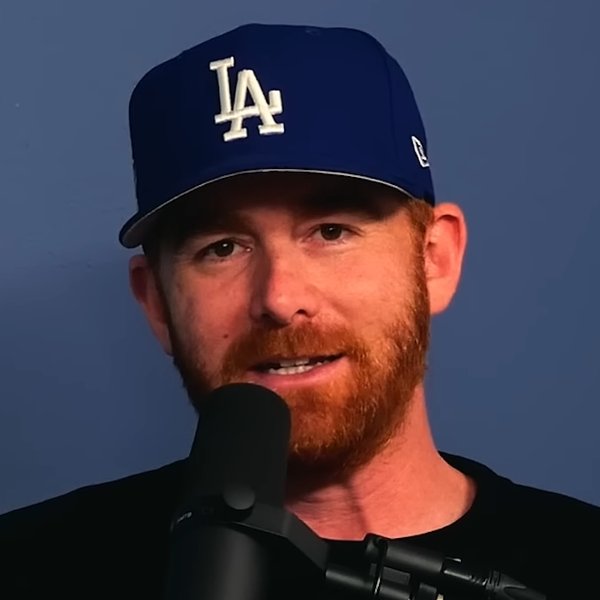

Justin Bieber
Pop music superstar, marriage to Hailey, faith journey, fashion influence
@justinbieberThis profile is journalistic coverage, not an endorsement.
Why He Matters
Justin Bieber was one of the first global pop stars discovered entirely through YouTube. His career trajectory — from 13-year-old viral sensation to 30-year-old family man — has played out publicly across 15 years.
He represents the costs and benefits of extreme early fame. The struggles with mental health, legal issues, and public meltdowns of his early 20s eventually led to the more settled adult he is today. For fans and parents thinking about fame’s effects on young people, Bieber is a real data point.
What to Watch For
His marriage to Hailey Baldwin and his public embrace of Christianity have reshaped his image. His fashion partnerships (Drew House, his brand) have been commercially successful. His more reflective recent music suggests someone who has actually grown, rather than just performed growth.
Key Takeaways
What his work teaches if you want to grow in early fame and survival:
- Surviving early fame intact is unusual — Most child-discovered pop stars don’t emerge into stable adulthood. The arc he’s pulled off is rarer than the early hits suggested.
- Public meltdowns are part of the data — The 2010s were public unraveling. The recovery is the case study for what comeback looks like at peer scale.
- Brand work outlasts musical chart cycles — Drew House sells real product. Most artist-fashion-brands fail; the ones that work have actual product market fit.
- Health is the constraint nobody plans for — The 2022 Ramsay Hunt syndrome reshaped what the touring business could be. Health risk is real and underestimated.
How Justin Bieber Became Successful
The drivers behind his growth that are worth copying:
- YouTube discovery in 2008 — Discovered by Scooter Braun at 14 via mom-uploaded videos. Catching the platform-discovery wave at the perfect moment.
- Usher mentorship — Major-artist sponsorship at 14 collapsed years of typical pop-star ascent into months.
- Recovery arc as authentic content — Public processing of meltdown era through music and interviews built durable audience that didn’t exist for peer figures.
- Drew House fashion business — Real apparel business with real cultural cachet beyond fan merch.
How He Built It
Bieber was discovered by Scooter Braun via YouTube videos posted by his mother in 2008. The label deal with Island Records and the partnership with Usher followed within months. By 14 he was charting; by 16 he had multiple platinum singles. The development timeline collapsed years of typical pop-star ascent into a span most teenagers cannot psychologically handle.
The 2010s were the public unraveling — DUI arrests, on-stage walkouts, a documented period of substance abuse, and a series of incidents that played out in tabloids globally. The 2018 marriage to Hailey Baldwin, the public embrace of Hillsong-adjacent Christianity, and the Justice (2021) album represented a deliberate stabilization era.
What Makes Him Different
Surviving early fame intact is unusual. Most pop stars discovered as children either flame out, get stuck in arrested development, or pivot away from public life entirely. Bieber stayed in music, stayed visible, processed the public meltdown openly, and re-emerged with credible adult work. That arc is rarer than it should be.
The brand work (Drew House) is one of the more successful celebrity fashion ventures of the era — actual sales, actual cultural cachet beyond the “fan merch” tier most artists settle for.
Critical Take
The early-2010s incidents (the deposition videos, the monkey at the German airport, the bucket on the deli, the various arrests) are part of the public record. Reasonable people land in different places on whether the contemporary maturity is the real arc or whether it’s the next persona.
His health (the 2022 facial paralysis from Ramsay Hunt syndrome, ongoing tour cancellations) has reshaped what’s possible on the touring side. The financial scale of the music business has shifted accordingly.
What Beginners Get Wrong
People look at Bieber and read “early fame is fun.” Most evidence from his life — and from peer cases — suggests the opposite: rapid global fame at 14-16 is psychologically catastrophic for the majority of people who experience it. The recovery he’s pulled off is unusual and not a reliable expectation.
For young creators trying to break out: slow growth is feature, not bug. The Bieber arc looks enviable in retrospect. Living through the unmanaged version of it nearly killed several peers from his cohort.
Related Creators
For peer cases of early fame and recovery: The Rock (different sport, similar discipline arc), Bryan Johnson (systematized adult-life rebuild after early success), and Rick Rubin for craft-focused longevity perspective.