
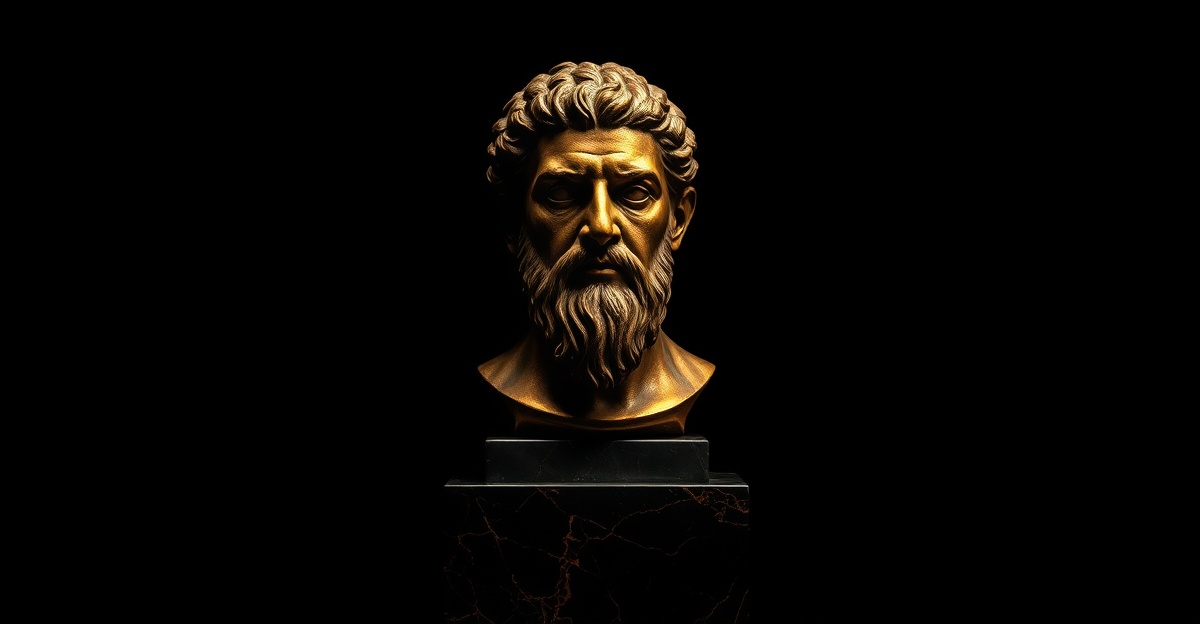
Stoicism for Modern Men — Without the Memes
What Stoicism actually teaches, beyond Marcus Aurelius quotes on Instagram. A practical guide to using Stoic tools in a modern life.
What Stoicism Is Not
Grinding. Suppressing emotions. Never complaining. Memes of Marcus Aurelius with bodybuilder photos.
That is bro-stoicism. The actual thing is a 2000-year-old philosophy about accepting reality, focusing on what you control, and living according to values rather than impulses. It is useful. The Instagram version is not.
The Three Tools That Actually Work
Stoicism has many concepts. Three of them are genuinely practical for men in 2026.
1. The Dichotomy of Control
Everything in life falls into two categories:
- Things you control: your thoughts, actions, effort, standards
- Things you do not: outcomes, other people’s opinions, the economy, traffic
Epictetus’s core insight: suffering comes from trying to control what you cannot and neglecting what you can.
Applied:
- You cannot control whether she replies. You can control the quality of the message you sent.
- You cannot control market crashes. You can control your savings rate and investment discipline.
- You cannot control getting laid off. You can control your skills and network.
The shift is: stop investing emotional energy in the uncontrollable. Invest it in what is yours to decide.
2. Negative Visualization
Spend a few minutes per week considering what could go wrong. Not to be paranoid — to appreciate what you have and prepare for what might happen.
Applied:
- Imagine losing your job. How would you handle it? What would you do differently now?
- Imagine the people you love being gone. How would you live today, knowing that?
- Imagine being sick, injured, or unable to work. What does your life look like?
Most men avoid thinking about this. Stoics argue the opposite: facing it makes you less fragile when it actually happens, and it puts current complaints into perspective.
3. Voluntary Discomfort
Occasionally put yourself in situations that are harder than needed. Not as punishment — as practice.
Applied:
- Take a cold shower once in a while
- Fast for 24 hours once per month
- Do a workout that scares you
- Sleep on the floor for a week
- Travel without luxury for a stretch
The purpose is not being hardcore. It is training your relationship with comfort. Most men are controlled by a need for continuous comfort. Voluntary discomfort breaks that pattern.
Stoic Practices for the Modern Week
Monday morning: Write out what is in your control this week and what is not. Focus your energy accordingly.
Wednesday evening: Review: Where did I waste energy this week on things outside my control?
Friday: Visualize something going wrong this weekend. Plan how you would respond. Then relax and enjoy what actually happens.
Daily: When frustrated, ask: “Is this in my control?” If yes, act. If no, release.
What Stoicism Does Not Solve
- Clinical depression (see a doctor)
- Acute anxiety (therapy often helps)
- Real trauma (do not stoic your way through abuse or grief)
- Relationship problems that require actual communication
- Boredom (get a life, not a philosophy)
Stoicism is useful for daily friction and handling misfortune. It is not a substitute for real medical, psychological, or relational help when those are needed.
The Misreadings
“Stoics do not feel emotions.” False. They feel them and respond rationally. Marcus Aurelius grieved his losses extensively in his writings.
“Stoics grind through everything.” False. They accept what cannot be changed and focus effort where it actually matters.
“Stoicism is for men only.” False. The most influential modern Stoic scholar is Pierre Hadot. Many Stoic writers were men because ancient societies were what they were, not because the ideas are gendered.
“Stoicism means never caring.” False. Stoics cared deeply about virtue, relationships, and duty. They just did not attach to outcomes.
The Books That Matter
If you want to actually learn Stoicism, not Instagram Stoicism:
- Meditations by Marcus Aurelius. His private journal. Skip the translations that make him sound like a YouTube motivational speaker.
- Letters from a Stoic by Seneca. Short letters, each on a practical topic.
- The Discourses by Epictetus. Harder but rewarding.
- A Guide to the Good Life by William Irvine (modern). The best starter book.
Skip: the 2026 influencer books quoting Marcus Aurelius next to ice bath photos. You will get more from 30 minutes with the originals than 10 hours of that content.
The Real Point
Stoicism is a practical philosophy for handling life. It is not a lifestyle brand. It is not a personality. It is a set of tools for when things are hard.
Most men do not need every Stoic concept. They need the dichotomy of control, occasional negative visualization, and some voluntary discomfort. Those three, practiced for years, genuinely change how you handle adversity.
Everything else is optional.
Frequently Asked Questions
What is Stoicism?
An ancient Greek and Roman philosophy focused on virtue, controlling what you can, accepting what you cannot, and living according to reason rather than impulses or external events.
Is Stoicism just about suppressing emotions?
No. Stoics felt emotions fully. The philosophy is about not being controlled by them. You feel grief, anger, or desire, but you respond with reason rather than react impulsively.
Can Stoicism help with anxiety?
Partially. The dichotomy of control reduces anxiety about uncontrollable things. For clinical anxiety, Stoicism is a complement to therapy, not a replacement.
What is the dichotomy of control?
The Stoic principle that you invest effort in what you control (your actions, effort, standards) and accept what you do not (outcomes, other people, external events).
What books should I read to learn Stoicism?
Meditations by Marcus Aurelius, Letters from a Stoic by Seneca, and A Guide to the Good Life by William Irvine (modern). Skip Instagram-era books quoting Marcus next to fitness photos.
Is Stoicism compatible with Christianity or other religions?
Yes. Early Christians drew from Stoic ethics. Modern Stoics include religious and secular people. The practical tools are philosophically neutral.
Does Stoicism make you emotionless?
No. It reduces over-reactivity, not depth of feeling. Marcus Aurelius grieved his losses extensively. Stoics are not robots, they are people with discipline around their emotions.
How do I practice Stoicism daily?
Morning: note what you control today and focus there. Frustration: ask "is this in my control?" and respond accordingly. Weekly: briefly consider what could go wrong to appreciate what is.
What is negative visualization?
Imagining possible losses or setbacks to appreciate what you have now and prepare mentally for what might happen. Not pessimism, but realistic acknowledgment of impermanence.
Is Stoicism relevant in 2026?
Yes, arguably more relevant now than ever. Information overload, social media comparison, and constant uncertainty are exactly what Stoic tools help with.